Space travel has given us an unexpected gift: a clearer window into how the human spine behaves when gravity disappears — and those lessons are reshaping how we understand back pain here on Earth. The headline insight is simple but profound: microgravity unmasks how much our spines rely on load, muscle tone, and curvature to stay healthy.
Astronauts report back pain at astonishing rates. Studies show that 52–68% experience “space adaptation back pain” within the first few days of a mission, largely because the lumbar curve — the natural lordosis — flattens in microgravity. Without gravity’s constant downward pull, the spine elongates, discs absorb more fluid, and stabilizing muscles lose tension. This combination often produces stiffness, aching, and a sense of instability. 1
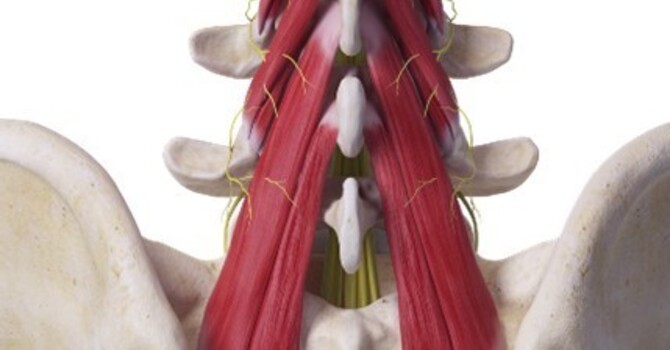
Longer missions reveal deeper changes. Research shows significant lumbar multifidus atrophy, reduced range of motion, and a markedly higher rate of disc herniation — up to 4.3 times higher than matched Earth-based populations. Astronauts also experience disc dehydration and structural weakening, which helps explain why herniations spike in the months after returning to Earth. 1
What makes these findings so valuable is that astronauts are the perfect “clean” population: extremely fit, non-sedentary, and free of many psychosocial factors that complicate back pain research on Earth. When they develop pain, it highlights the pure biomechanical consequences of unloading the spine.
So what does this teach us?
- Load matters. The spine needs compression and muscle activation to stay healthy.
- Deconditioning happens fast. Even elite bodies lose stabilizing strength without gravitational demand.
- Posture is dynamic, not fixed. Remove gravity and the spine immediately remodels.
- Countermeasures work. Targeted core training, positional strategies, and movement routines reduce symptoms both in orbit and on Earth.
Spaceflight shows us that back pain isn’t just about injury — it’s about biology responding to environment. And by studying astronauts, we’re learning how to better protect spines everywhere, from the International Space Station to Edgemont Chiropractic Clinic.
References (1) 1Spine Biomechanics and Pathology | Springer Nature Link.
Biography:
Dr. David Olson, DC: Dr. Olson has over 45 years of experience treating back pain, neck pain, and sports injuries in North Vancouver. He is the founder of Edgemont Chiropractic Clinic and is passionate about combining the latest research with hands-on care to help patients move and live pain-free. When he's not in the clinic, Dr. Olson enjoys staying active on the North Shore. He practices at Edgemont Village in North Vancouver, BC.

Dr. David Olson
Contact Me